The Disadvantages of Lemon Juice on Hair – Risks & Alternatives

There are a lot of benefits of using lemon juice on hair, but have you ever thought of the disadvantages of lemon juice on hair? Here are some of the most known examples down below:
1. If you use lemon juice too often, it will cause dryness and make your hair frizz.
2. Lemon juice has been known to cause chemical burns if applied directly to the skin without diluting first. Fresh lemon juice can be particularly harsh, so always consider mixing it with water to avoid these potential side effects.
Note: This post may contain affiliate links, which means if you buy from my link I might make a small commission. This does not affect the price you pay. See the full affiliate disclosure here.
3. Too much exposure to sunlight after applying lemon juice may result in sunburns or skin cancer risks due to its acidic properties. Sun exposure can exacerbate these effects, so it’s important to protect your skin and hair from UV rays.
You should be aware of some possible side effects before trying the lemon method for your hair. Even though these cases are rare, you should avoid lemons if you have a sensitive scalp or a common scalp condition like seborrheic dermatitis.
Women use lemon for their hair because it helps remove buildup on your scalp from styling products, such as hairspray or gel.
Also, lemon juice is a natural hair lightener, and it can be used as a conditioner because it’s high in vitamin C content and citric acid. High vitamin C content is beneficial, but it can also contribute to scalp dryness and dandruff.

Does lemon juice stop hair growth?
Lemon juice is acidic and can lead to hair fall; the acid in lemon juice dries out the scalp, which causes more hair to fall off. For a more balanced approach, consider using lemon essential oil diluted with a carrier oil.
Lemon juice works as a natural bleach on your hair, so it’s not recommended for use on all hair types.
If you’re looking for a natural way to slow down or stop your hair growth, try other home remedies like apple cider vinegar or castor oil mixed with honey.
Many commercial products claim they’ll reduce new hair growth rates by slowing down hair follicle production, e.g., Nioxin.
You should consult with a dermatologist before using any product containing lemon juice if you have sensitive skin or an allergy to citrus fruits such as oranges and grapefruits.

Does lemon juice thicken hair?
There are no scientific studies that show lemons affect hair thickness or health.
But people who have used lemon for hari growth claim the citric acid in this fruit is abundant with many nutrients that promote healthy and strong growth for your locks!
Calcium magnesium pectin all play vital roles in making sure our scalps are well-taken care of.
If you want to influence hair growth, you should try castor oil. Castor oil is a great method for growing inches in just a few months.
You can apply it every night before sleep and then wash your hair in the morning. It will also make your hair more smooth and silky; therefore, there is no reason not to try it.
A great replacement for castor oil is definitely olive oil, and you will find it at your local store. Whatever oil you choose will do wonders for your hair, don’t worry about that.

When should you avoid using lemon on your hair?
Lemon can be a great way to lighten your hair color, but lemon also can dry out and bleach your hair, so it’s not always a good idea.
The best time to use lemon is when you need a quick fix or want a subtle change in your hair color. If you have healthy, strong, thick hair – go for it!
But if you have thinning or damaged hair strands, then avoid using lemon as much as possible because lemon can damage your hair even more.
If your hair is not healthy, then lemon will dry it out even more, and it will not look pleasant.
If you have problems with your scalp, it is best to talk to your doctor before trying anything different with your hair. They will give you the right medicine for any skin condition that might not be cured with natural ingredients.
Can I leave lemon on my hair overnight?
Yes, if you’re looking for more dramatic results, try leaving lemon juice on overnight at least once a week until the desired color is achieved.
You can also mix two tablespoons of lemon juice with one tablespoon of yogurt and apply this lemon juice mixture to dry hair before bedtime.
Rinse off in the morning and follow up with an anti-dandruff shampoo or conditioner containing ZPT as its active ingredient. For better results, consider using a mild shampoo or dandruff treatment.
If you have a sensitive scalp, don’t leave the lemon juice on your head for longer than 15 minutes, or don’t use it.
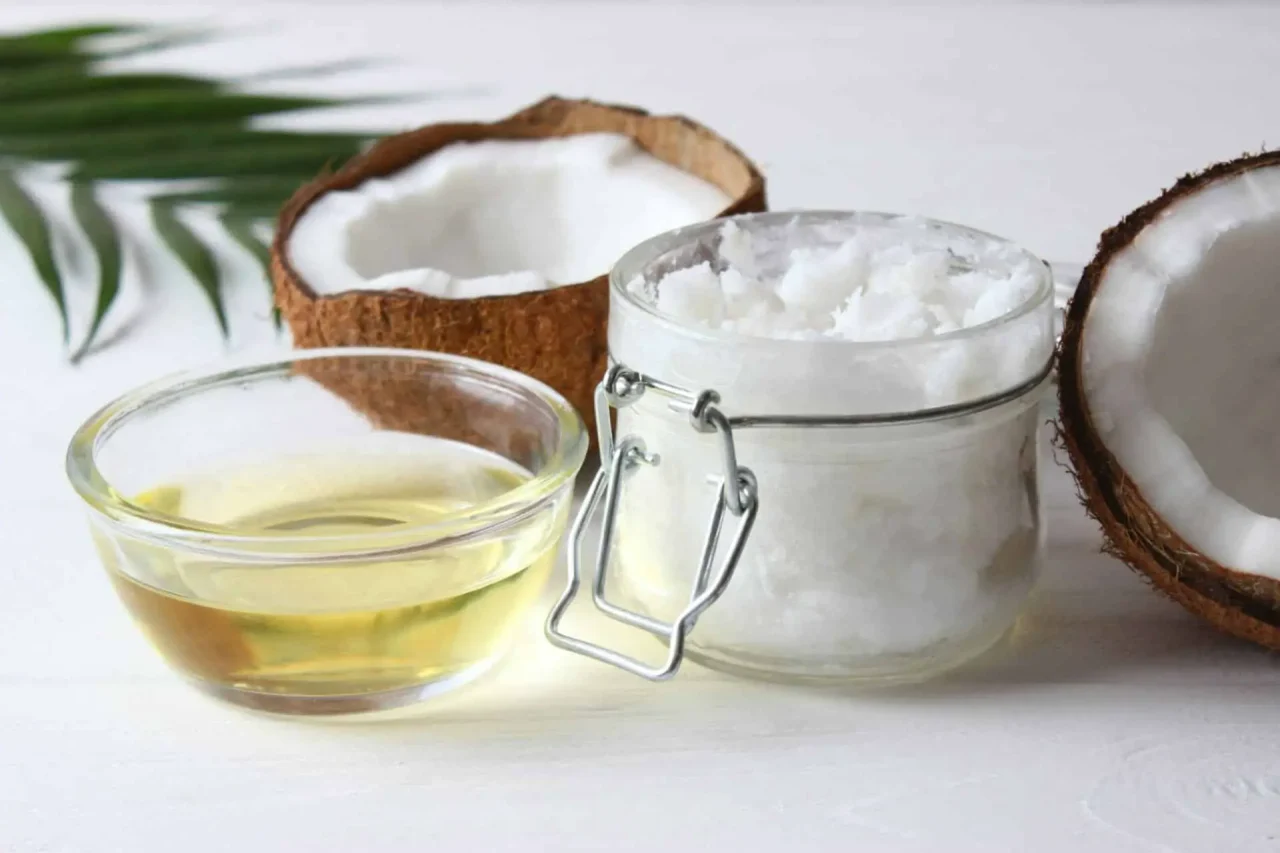
Mix lemon juice and a lot of water; don’t use coconut oil instead of water.
Lemon juice is a natural way to lighten your hair; the acid in the lemon juice will break down the natural oils on your scalp and make it easier for you to wash out. Aloe vera gel can also be used to soothe and condition your scalp.
Pro tip: To avoid drying out your hair, use an anti-dandruff shampoo or conditioner that contains zinc pyrithione (ZPT) as its active ingredient

Conclusion- The disadvantages of lemon juice on hair?
There are a lot of benefits to using lemon juice on your hair, but have you ever considered the disadvantages? Here are some of the most well-known examples.
1) If you use it too often, it will cause dryness and make your hair brittle.
2) Lemon juice has been known to cause chemical burns if applied directly to the skin without diluting first. Fresh lemon juice can be particularly harsh, so always dilute it with water.
3) Too much sun exposure can lead to discoloration or fading in lighter hair.
4) It can also strip away natural oils from your scalp, making dandruff more frequent.
5) In large quantities, lemon juice is acidic, which means that over time this acidity could damage your locks
6) Exposure to sun exposure may lead to yellowing.
Lemon can lighten your hair color, but it also has the power to dry out and bleach your strands.
If you want a quick fix with minor changes in your appearance or need something that will be more subtle than most other treatments, then lemon may work for you.
But if you have thinning or damaged hair strands already – stay away from the lemon as much as possible!
We hope this blog post has given you some information about the lemon juice and the disadvantages of including it in your beauty routine.